Quality & Documentation
The documents behind a branch-ready ingredient standard
Procurement teams need evidence before committing a menu to one supplier. This page explains the specification, approval, traceability and diligence documents used across the program.
Direct answer: every approved program rests on a written ingredient specification, recorded sample and pilot approvals, and controlled packaging documents. Manufacturer identity and facility evidence are shared with qualified clients under NDA during technical due diligence.
The Approved Standard
What an approved ingredient standard means
An approved ingredient standard is the written definition of your powder or syrup ingredient. It records the physical format, the intended beverage application, the packaging format and the evaluation criteria your team signed off.
The standard is the reference every later decision points back to. Branches prepare against it, reorders are checked against it, and any proposed change is compared to it before approval.
Without a written standard, “the same drink in every branch” is an intention. With one, it becomes a document your team and ours can each be held to.
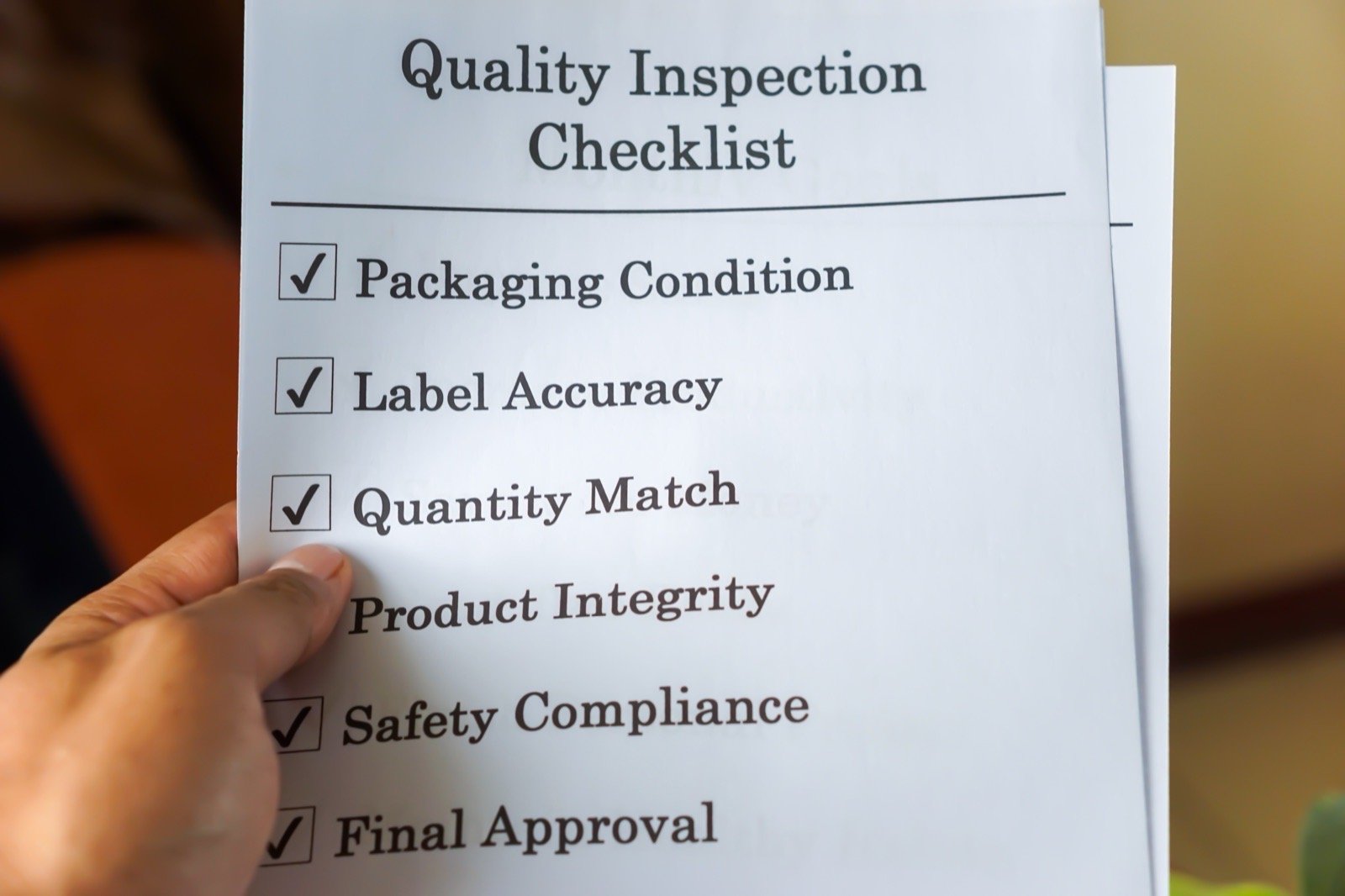
Approval Path
Specification and sample approval
The specification defines the ingredient. Samples and pilots test whether that definition holds in practice. The two move together through recorded decision gates.
The product brief sets the commercial and technical requirements. A draft specification translates the brief into a version that can be evaluated. Your named decision-makers then review the evaluation samples, and the outcome is recorded. Before any recurring supply begins, a pilot confirms the approved version under conditions closer to commercial production.
Each approval names what was evaluated, who approved it and what was agreed. That record protects both sides when a question arises months into supply.
Document Checklist
The documents a qualified program works through
These are the document categories the program uses from brief to recurring supply. The exact set for your project is confirmed after technical review and recorded in the agreement.
| Document | What it covers | When it is used |
|---|---|---|
| Product brief | Commercial and technical requirements for the powder or syrup project | Before development starts |
| Approved ingredient specification | Format, application, packaging and evaluation criteria | Before pilot and production |
| Sample evaluation record | The evaluated version, the decision and who made it | During sampling |
| Pilot approval record | The confirmed pre-production result | Before commercial approval |
| Packaging and label proof approval | The approved artwork, pack format and label content | Before first production |
| Branch consistency pack | Preparation standard, yield, storage and handling guidance | At branch rollout |
| Delivery documentation | The documents agreed for each shipment, confirmed per agreement | Each replenishment cycle |
Ongoing Control
Traceability and change control
Traceability and change-control processes are used for approved commercial programs. Traceability means a delivered lot can be linked back to its production records. Change control means no ingredient, packaging or specification change reaches your branches without a recorded review and approval.
Both matter most after launch. When a branch raises a product question, traceability is what turns it into a specific, answerable investigation rather than a debate.
The specific written procedures are reviewed with qualified clients during technical due diligence, where their scope and supporting evidence can be examined directly. Qualified clients review the current procedures directly during technical due diligence.
Trust & Disclosure
Evidence is shared at the right stage
Production is coordinated through a qualified Philippine manufacturing partner. Manufacturer identity, current authorizations and facility documents are shared with qualified clients during technical due diligence, subject to mutual NDA.
Shared publicly
- Program stages and decision gates
- Qualification criteria
- Documentation categories used
Shared after mutual NDA
- Manufacturer identity and authorizations
- Specification and sample records
- Project-specific commercial terms
Reviewed during audit
- Facility evidence through the approved process
- Traceability and change control
- Regulatory documentation in scope
This staging protects every client’s commercial confidentiality, including yours once your program is running. Qualified buyers still review the full evidence before committing.
Your Side of the Standard
Buyer responsibilities
Documentation only holds if both parties keep their side of it. A qualified program expects the buyer to:
- Provide accurate branch, volume and forecast information at qualification and keep it current.
- Evaluate samples and pilots with named decision-makers, and record approvals in writing.
- Approve specifications and packaging proofs before production, not after.
- Prepare the ingredient in branches according to the approved consistency pack.
- Raise product questions through the agreed channel so lots can be traced and investigated.
Formula, registration and label ownership are agreement-specific
Ownership of formulas, product registrations and label content is defined in each supply agreement. It is never universal, and it is not implied by this page. Whether you bring an existing formula or one is developed within the program changes what each party owns. Confirm ownership, registration responsibility and label obligations in writing before commercial approval.
Deeper Evidence
See how manufacturer evidence is reviewed
The diligence process explains when manufacturer identity, authorizations and facility evidence are shared, and how audits are requested and scheduled.
Review the Diligence ProcessNext Step
Start with the commercial questions
Tell us your branches, volumes, packaging and timing. We will review whether the project is ready for technical evaluation and documentation.
Request a Fit Assessment